 +1-3236076188
 sales@marketmonitorglobal.com
 Log In
  Log In
 Global Oral Irrigator Market to Reach $0.93 Billion by 2030, Growing at 5.8% CAGR
Friday,10 Jul,2026
Oral Irrigator: Definition and Principles
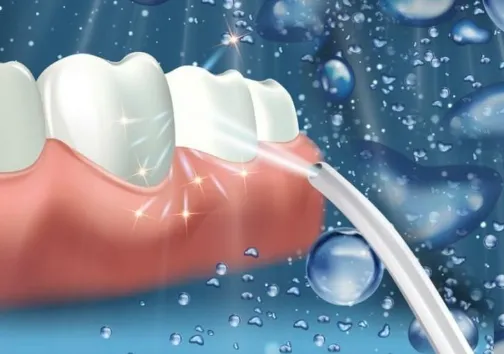
An oral irrigator, also commonly known as a water flosser, is a dental device designed to clean between teeth and along the gum line by directing a stream of pulsating water. It serves as an alternative or complement to traditional dental floss, effectively removing food particles, plaque, and bacteria from hard-to-reach areas in the mouth. Oral irrigators are particularly beneficial for individuals with braces, dental implants, or gum sensitivity, offering a gentle yet thorough cleaning experience. The device typically features adjustable water pressure settings and interchangeable nozzles to accommodate different oral care needs.
Key features and benefits:
-
Effective plaque and debris removal: The pulsating water stream reaches areas that traditional floss cannot easily access, improving overall oral hygiene.
-
Gentle on gums: Particularly suitable for individuals with sensitive gums, bleeding gums, or periodontal conditions.
-
Orthodontic-friendly: Ideal for cleaning around braces, wires, and other dental appliances.
-
Customizable settings: Adjustable pressure levels and various nozzle types cater to different user preferences and clinical needs.
-
Improved gum health: Regular use can reduce gingivitis, bleeding, and inflammation.
Product types:
-
Desktop (Countertop) models: Larger units that sit on the bathroom counter. They offer higher water capacity, more pressure settings, and are suitable for home use.
-
Cordless/Portable models: Battery-powered or rechargeable units, ideal for travel, smaller bathrooms, or users who prefer a compact design.
-
Shower models: Attach directly to the shower head for convenient use during bathing.
Oral Irrigator Market Summary
According to a new market research report published by Market Monitor Global, the global Oral Irrigator market was valued at approximately 0.70 billion USD in 2023 and is projected to reach around 0.93 billion USD by 2030, growing at a compound annual growth rate of 5.8% during the forecast period. This steady growth is driven by increasing consumer awareness of oral hygiene and its connection to overall health, the growing prevalence of dental issues, rising disposable incomes, and technological advancements in product design and functionality.
Market Monitor Global's analysis indicates that the global key manufacturers of Oral Irrigators include Water Pik, Oral-B, Panasonic, Shenzhen Fly Cat, and Philips. In 2023, these companies collectively accounted for approximately 70% of total revenue, indicating a highly concentrated market dominated by a few established global brands. Other significant players include Conair, H2ofloss, JETPIK, and various regional manufacturers.
In terms of product type, desktop (countertop) models currently hold the largest segment share. These models dominate the home use market due to their higher water capacity, more powerful motors, and a wider range of pressure settings, making them suitable for thorough daily oral care. Cordless/portable models are the fastest-growing segment, driven by increasing consumer demand for convenience, travel-friendly designs, and compact storage.
Regarding application, home use is by far the largest segment, accounting for approximately 93.8% of the market. This dominance reflects the consumer-oriented nature of the oral irrigator market, where individuals purchase these devices for personal daily oral hygiene routines. Professional use, including dental clinics and hospitals, accounts for a much smaller share but is growing steadily as dental professionals increasingly recommend and use oral irrigators in clinical settings.
Regional dynamics: North America remains the largest market, driven by high consumer awareness, advanced healthcare infrastructure, and strong dental care culture. Europe follows closely, with consistent growth driven by preventive healthcare trends and increasing adoption of advanced oral care devices. China demonstrates a volatile trend, with fluctuations due to economic and regulatory factors, but shows long-term growth potential. Emerging markets like India and Southeast Asia show steady growth, reflecting increasing awareness and affordability. Latin America and the Middle East & Africa are smaller but growing markets, driven by urbanization and improving access to dental care products.4SS[H9A8M.png)
Oral Irrigator Market Dynamics
Market Drivers:
The primary driver is the increasing awareness of oral hygiene and its connection to overall health. Consumers are becoming more conscious of the benefits of advanced dental care devices, such as oral irrigators, in preventing gum diseases, cavities, and bad breath. Growing educational campaigns by dental professionals and oral care brands are further driving this awareness.
The second driver is the growing prevalence of dental issues like gingivitis, periodontitis, and tooth decay, fueled by unhealthy diets and lifestyle habits. As these conditions become more common, consumers seek effective preventive solutions, boosting demand for oral irrigators.
The third driver is the rise in disposable income and access to affordable dental care products in emerging markets. As middle-class populations grow in countries like China, India, and Brazil, more consumers can afford premium oral care devices.
The fourth driver is technological advancement. Innovations such as compact, portable designs, wireless charging, personalized cleaning modes, and smart connectivity are attracting a broader consumer base and encouraging upgrades from traditional floss and toothbrushes.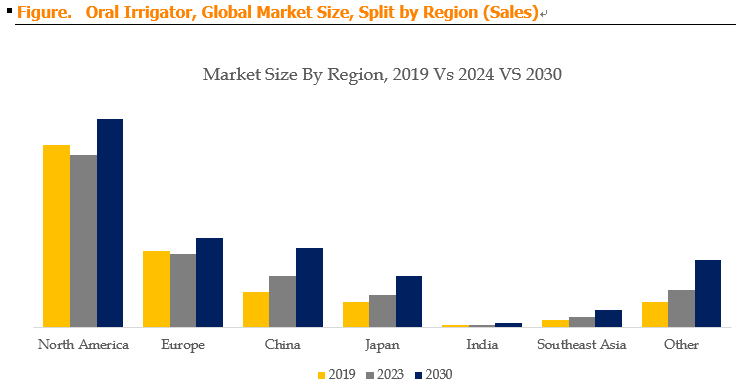
Market Restraints:
One major restraint is the relatively high cost of oral irrigators compared to traditional dental care tools such as toothbrushes and floss. This price barrier makes them less accessible to consumers in developing regions and lower-income demographics.
Another restraint is the lack of awareness about oral irrigators in certain demographics, especially rural areas. Limited consumer education and marketing penetration restrict market expansion.
Additionally, concerns regarding product durability, maintenance, and compatibility with different water systems pose challenges for manufacturers. Hard water scaling, nozzle clogging, and battery life issues can affect user satisfaction and brand loyalty.00P6V[1G.png)
Market Opportunities:
A significant opportunity lies in the rapid growth of cordless and portable oral irrigators. The increasing demand for travel-friendly, compact designs is driving innovation in this segment. Manufacturers that offer lightweight, rechargeable, and waterproof models can capture significant market share.
Another opportunity is partnerships with dental professionals. Collaborations with dentists and orthodontists for product endorsements and recommendations can drive consumer trust and adoption.
Targeted marketing campaigns and consumer education are also key opportunities. Brands that invest in educating consumers about the benefits of oral irrigators, particularly in emerging markets, can expand their customer base.
The integration of smart technology presents additional opportunities. Features such as pressure sensors, timers, Bluetooth connectivity, and mobile app integration can enhance user experience and differentiate premium products.
Finally, the growing focus on preventive healthcare is a long-term opportunity. As consumers become more proactive about health maintenance, demand for preventive oral care devices will continue to rise.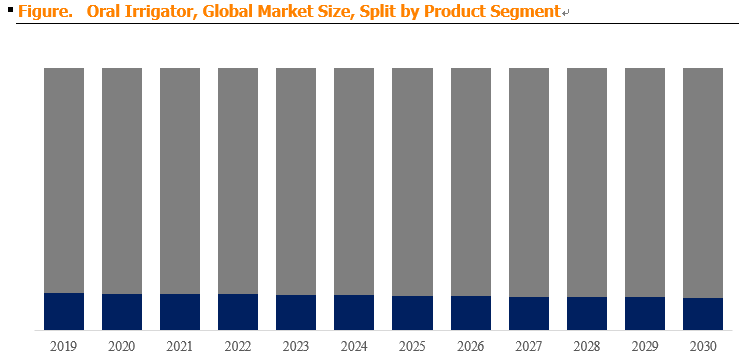
Industry Trends:
-
Desktop models as the largest segment: Desktop oral irrigators remain the dominant product type, particularly for home use, due to their superior performance and features.
-
Home use as the dominant application: Home use accounts for approximately 93.8% of the market, reflecting the consumer-oriented nature of the oral irrigator market.
-
High market concentration: The top five players account for approximately 70% of revenue, indicating a highly concentrated market.
-
Growing cordless/portable segment: Battery-powered and rechargeable models are the fastest-growing segment, driven by convenience and travel needs.
-
Technological innovation: Smart features, personalized settings, wireless charging, and improved battery life are becoming standard in new models.
-
Partnerships with dental professionals: Increasing collaboration with dentists and orthodontists is driving consumer trust and adoption.
-
Expansion in emerging markets: Countries like China, India, and Southeast Asia are experiencing steady growth due to rising disposable incomes and increasing awareness.
-
North America as the largest market: North America remains the largest regional market, driven by high consumer awareness and strong dental care culture.
AMI6]}M6{R9MTQQT7.png)
Industry Structure and Competitive Dynamics
The global Oral Irrigator market is characterized by a highly concentrated competitive landscape. Global leaders including Water Pik, Oral-B, Panasonic, Shenzhen Fly Cat, and Philips collectively account for approximately 70% of global revenue. Water Pik is widely recognized as the pioneer and market leader, with a strong brand presence and extensive product portfolio. Oral-B and Philips leverage their established positions in the broader oral care market to promote oral irrigators alongside toothbrushes and other dental products. Panasonic and Shenzhen Fly Cat are significant players, particularly in the Asian market.
Other notable players include Conair, H2ofloss, JETPIK, and various regional and private-label manufacturers competing on price, design, and distribution.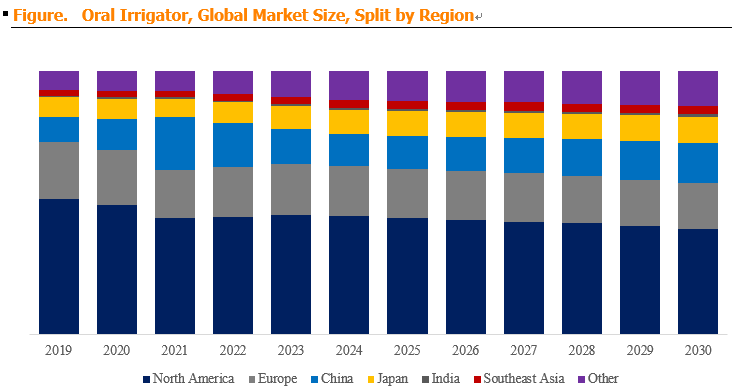
Key success factors in this market:
-
Product quality and reliability: Durability, consistent performance, and water resistance are critical for consumer satisfaction.
-
Innovation and differentiation: Development of advanced features such as personalized modes, wireless charging, and smart connectivity drives brand preference.
-
Brand reputation and consumer trust: Established brands benefit from consumer confidence and professional endorsements.
-
Marketing and consumer education: Effective communication of benefits and usage instructions drives adoption and loyalty.
-
Distribution channels: Strong presence in retail, e-commerce, and dental professional channels ensures market reach.
-
Cost competitiveness: Offering a range of products at different price points captures broader consumer segments.


